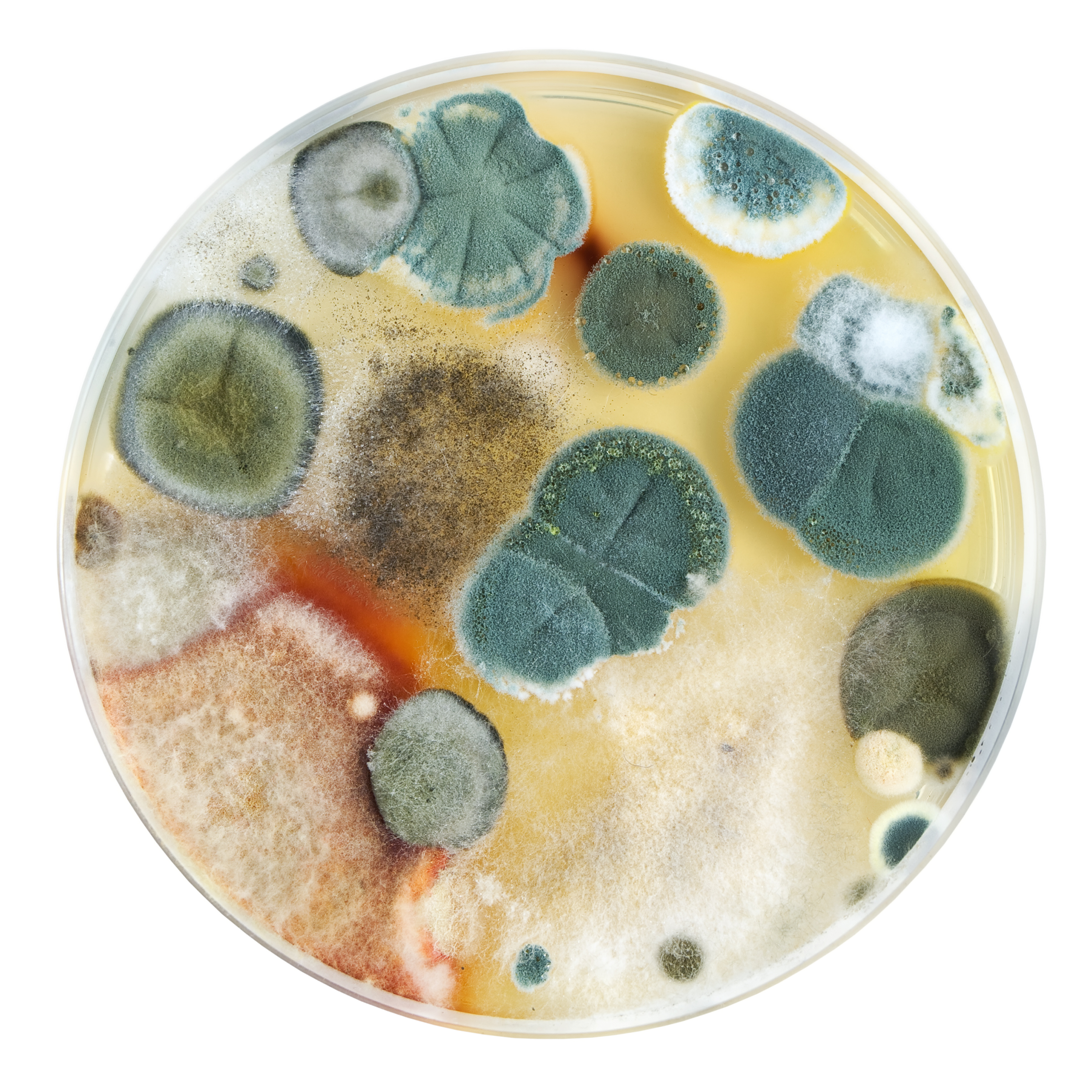
Homeowners may be tempted to test for mold with a DIY Mold testing kit by setting out Petri dishes for a period of time to determine if there is mold present inside their home. This method is misleading and often inaccurate for many reasons. The results lack so much credibility that lawyers, doctors, insurance companies, and remediation companies do not accept the results.
Here are some of the problems with DIY Mold Testing Kits:
-
No Expiration Dates – DIY mold test kits sit on hardware shelves or storage areas for undisclosed amounts of time, subjecting the agar (gooey stuff) to contaminants. Because there is no readily identifiable expiration date for these kits, consumers cannot determine how much potential handling or exposure these kits have had despite the requirement that they be sterile.
-
No Inspection – DIY kits do not provide an overall understanding of your mold contamination. A critical part of a comprehensive mold investigation is the inspection process, which requires specialized instruments such as digital moisture meters, hygrometers, infrared cameras, and other specialized tools.
-
No Control Sample – A control sample is necessary to validate the elevation of spores and provide a meaningful reference point. Still, many DIY kits do not offer a dish to take a comparison sample from another room or outside.
-
No Air Flow to Measure Mold In Cubic Units- Most standards and guidelines refer to mold spores per cubic meter or coliform forming unit, but obtaining a level of mold per volume of air is impossible without a controlled airflow through the use of a mechanical pump.
-
No Accredited Laboratory Certification, Endorsement, or Chain of Custody – The labs associated with DIY kits are rarely certified (those listed with AIHA-LAP LLC Accredited Labs) and are not endorsed by any accredited agency. Often there is no chain of custody (COC) to document the kit’s transfer properly or to note the kit’s acceptance by the lab, and critical data such as the date, time of analysis, lab location, etc., are often omitted.
-
Misleading Marketing/Information – Consumers often think that the DIY kit they purchase will quantify and qualify the types of mold they have, but this is not the case. For an additional cost, the Petri dishes must be sent out to the lab for analysis (see points 1, 2, and 3 for why this is meaningless).
-
Kits Do Not Account For Dead Spores: Settling plates and other DIY kits are focused on growing mold, but dead spores can also impact your health. Mold, created by water damage, such as Stachybotrys, Chaetomium, and Ulocladium may not even show up on the DIY kit.
-
Spore Characteristics – Mold spores have unique weight, density, and airflow characteristics and do not settle at the same rate. Heavier spores, for example, settle on the Petri dishes at a quicker rate and take up more of the sample plate. Sticky molds, especially water damage indicators and Black Mold, might not appear as readily on the DIY kits, but this absence could indicate greater growth elsewhere.
Overall, Mold Testing DIY kits are useless for diagnosing if you have a mold problem and should be handled by a professional who uses proper sampling collection protocol and a certified lab. Also, a professional can assist with interpreting the results so the homeowner understands the situation fully.
Don’t waste your time and money on a DIY Test. Instead, contact Comprehensive Mold Management for more information.